The Lab and Love of Ate Mameng
How a widow with seven children built a pharma lab on the principles she lived by: with warmth, integrity, and no shortcuts.
2/10/20256 min read
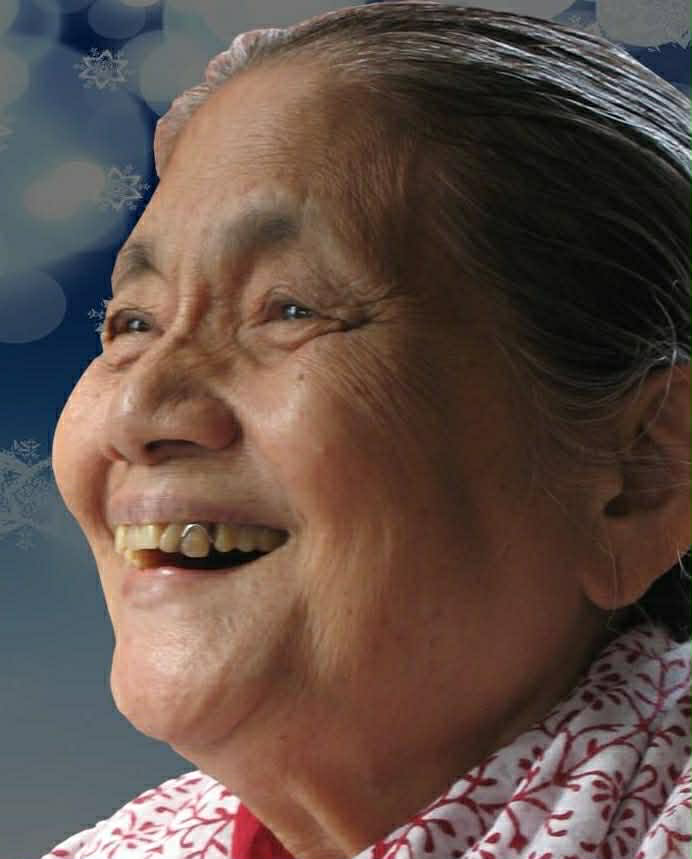

"Ate Mameng” was how she was called. Not Boss, Not Mrs. Fernandez, not the owner —just Ate.
The bank tellers at Metrobank Kamagong would light up when they saw her coming. She'd settle in to do her banking and somewhere in the middle of it all, she'd be on the phone ordering pancit or kansi or bulalo from Pat Pat's nearby. Enough for everyone. "Kain tayo " she'd insist, her face already brightening at the thought of people sharing a meal together.
Her love language was food— the sharing of it. The joy of feeding people, passing dishes, talking, laughing. For Carmen Caviles Fernandez, feeding people and seeing them happy was how the world made sense.
This is how Ate Mameng built her business, by taking by care of people. Give them what they need. Never, ever cut corners. Do it right, even when no one's watching.
Fifty years later, Best Drug Industries and Pharma still stands—one of the last fully Filipino-owned pharmaceutical laboratories in the country, producing parentherals that are GMP and FDA compliant . Sterile injectables that meet the highest international standards.
What was Carmen’s Why? Carmen became a widow at 40. Left with seven children she needed to rebuild her life from the ground up
When Everything Changed
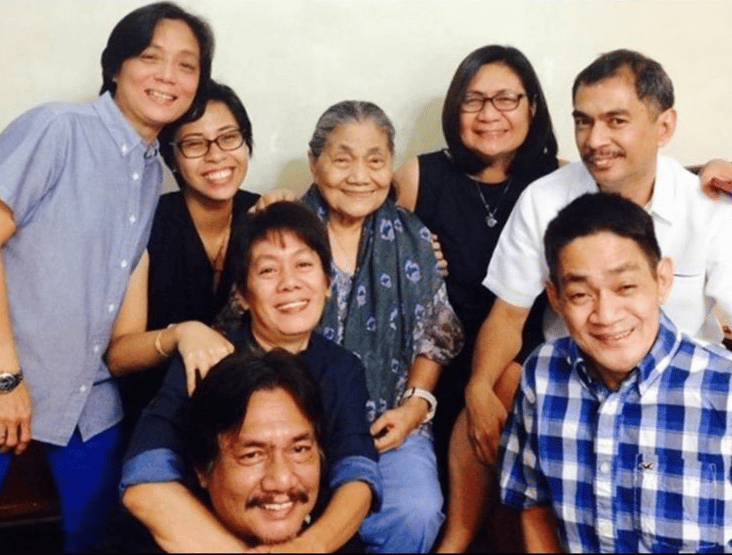
Ate Mameng and her seven reasons why
In the life she'd imagined, Carmen would never have run anything. She was the quiet one, the supportive wife who stood beside her husband. She was content there, in that softer space—raising their children, making their home, being his steady place to land.
Then he died. Just like that. 40 years old and suddenly alone with seven children—the eldest just twelve, the youngest barely two.
"She morphed," her eldest daughter Socorro remembers, and you can hear in her voice that she still marvels at it. "From the quiet housewife to the woman who had to take care of all of us."
There was no time to fall apart. Carmen went to work at her father's laboratory and threw everything she had into making sure her children went to good schools - UP De La Salle, UST, PWW, education wasn't just important to her, it was sacred. It was the thing she could give them that no one could take away.
But working for family is complicated, especially when you're grieving and trying to hold seven lives together. So in 1975, at 45 years old, Carmen did something she never thought she would, build a business of her own.
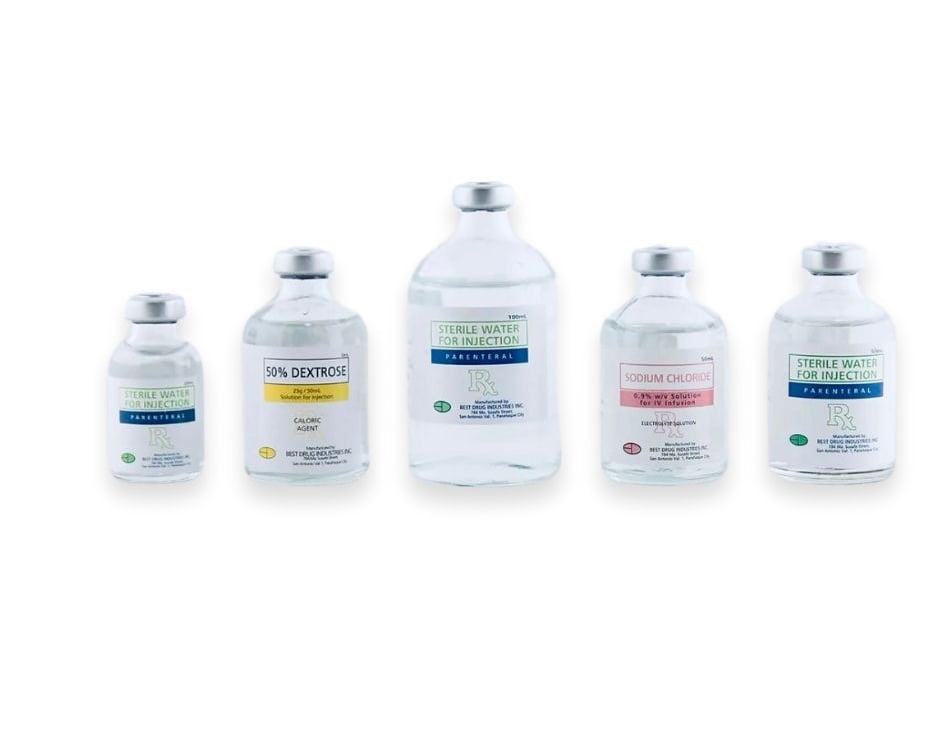
Her brother, Dr. Alendry Caviles, a renowned hematologist and a professor at UP —believed in her. He helped her start Best Drug Industries in Malate. It was small, modest, nothing fancy. They made the essentials: dextrose, isotonic sodium chloride, sterile water for injection. The things hospitals needed and couldn't do without.
Carmen wasn't trying to build an empire. She was trying to pay tuition. She was trying to keep her children fed and safe and educated.
The Right Way, Always
But here's the thing about Carmen Caviles Fernandez: even when she was afraid, even when money was tight and the stakes were impossible, she had lines she wouldn't cross.
She was a gifted saleswoman—warm and genuine, with the kind of people skills you can't teach. Clients trusted her because she was trustworthy. But in Philippine business, especially then, there were shortcuts. There were "arrangements." There were opportunities that came with a quiet understanding that you'd need to give a bribe to seal a deal.
She walked away from every single one.
"We do things the right way," she told her children. "Always." Not when it's convenient. Not when it's easy. Always.
That wasn't just talk. It was in everything she did. When competitors started switching to plastic bottles because they were cheaper, lighter, easier to ship, Carmen said no. Best Drug's injectables would stay in glass—period. It cost more. It was heavier, more fragile, harder to handle. But glass was superior. It protected the integrity and safety of the products that would go into people's bodies. Only the purified water, which isn't injected, comes in plastic. Everything else? Glass.
Some people thought she was being stubborn. Maybe she was. But she was also being Carmen—refusing to compromise on the things that mattered.
In 2000, when she was 70 years old, she moved the company from rented space in Malate to a facility they owned in Parañaque. She designed it herself, navigating the maze of FDA requirements and international PIC/S guidelines. Grade A soft wall filling areas. Sophisticated HVAC systems with six air handling units. HEPA filters with 99.99% efficiency. It took five years to get everything built, cleared, and operational.
Five years. At 70. Because it had to be done right.
By then, her daughters Linda and Carmela had joined her. Linda—pharmacy graduate from UST, master's in pharmaceutical manufacturing—took over quality control. Carmela, who'd studied mass communications, handled production. Jesus Fernandez handled finance. Carmen trained them the way she did everything: thoroughly, rigorously, with exacting standards. Not just how to run the equipment or read the reports, but how to think about the work. Hard work. Integrity. No shortcuts. Today her other children help in the business, Socorro who now president and handles marketing and sales along with John while Mike, a lawyer handles the legal issues.
What She Held Onto
Over the years, the offers came. People wanted to buy shares, wanted to invest, wanted to partner. Foreign companies, local conglomerates, competitors looking to consolidate. Each time, Carmen said no.
Best Drug Industries and Pharma would remain fully Filipino-owned. It would stay in the family. This wasn't just business to her—this was what she'd built from scratch, what she'd chosen to root here in the Philippines, the country she genuinely loved and refused to leave even when leaving might have been easier.
"She really chose to live here and do business here," Socorro says, and there's pride in that. At a time when so many Filipino businesses were selling to multinationals, when "going global" meant giving up control, Carmen held on. This was hers. This was theirs. This stayed Filipino.
That kind of stubbornness—or maybe it's faith—is rare now. Many of BDIP's competitors have closed their doors. The FDA regulations for sterile injectables are punishing: expensive, demanding, unforgiving. But Best Drug is still here. Still manufacturing to international standards. Still supplying major hospitals across Metro Manila. Still fully Filipino-owned. Still family-run.
Still doing it the way Ate Mameng insisted it be done.
What She Leaves Behind
Carmen Caviles Fernandez passed away in 2017, but walk into the BDIP facility in Parañaque and she's everywhere. In the glass bottles lined up in careful rows. In the spotless production areas. In the way the family still runs things—with care, with precision, with that same refusal to compromise.
But her real legacy isn't just the company, as remarkable as it is. Her legacy is in how she did it. With warmth. With generosity. With an open hand and a full heart. She fed people—literally, constantly, joyfully. She listened when someone needed an ear. She helped when they needed a hand. She was everyone's Ate, not because she demanded it but because that's who she was.
She built a laboratory that does what she always did: takes care of people. Gives them what they need. Does it right, every single time.
Fifty years later, the glass bottles still line those shelves. The machines still hum. Her daughters and their families still show up every day. And somewhere—in the care they take, in the standards they keep, in the way they treat the people who work there—you can still feel Ate Mameng. Making sure everyone's fed. Making sure everyone's taken care of.
Because that's what she did. That's what she built. That's what love looks like when it refuses to cut corners.
Quality & Reliability
Delivering safe and effective pharmaceutical solutions.
BEST DRUG INDUSTRIES
AND PHARMA
622 Sta. Cecilia Street, San Antonio Valley 1, 1700 Parañaque City Philippines
© 2024. All rights reserved.